Waterproofing before the monsoon is the one job most Sri Lankan homeowners postpone - until the first heavy downpour finds a crack. By then, water has already reached the slab, the plaster, and sometimes the wiring. Across Colombo and the wider Western Province, the southwest monsoon arrives fast and stays for months. A small damp patch in April becomes a peeling ceiling by July. This guide is written for homeowners, not contractors. It shows you what to check, what to fix, and when to call a specialist.
The rain will not wait for a convenient weekend. So a little planning now saves a lot of money later.
Why Waterproofing Before the Monsoon Matters for Sri Lankan Homes
Sri Lanka does not get gentle rain. The southwest monsoon brings sustained, driving water against every surface of your home. Roofs, walls and joints take a beating for weeks at a time.
Water is patient. It finds the smallest gap in a parapet wall or a tired roof joint. Once inside, it spreads through the concrete slab and plaster. The result is damp walls, blistered paint, and that musty smell of mould and mildew.
The cost gap is the real story here. A planned waterproofing service before the rains is a fraction of a reactive repair afterwards. Emergency leak fixes during a downpour are messy, rushed and rarely permanent. Acting early protects your ceilings, your interiors and your peace of mind.
There is also a health angle. Persistent damp encourages mould, which affects air quality and aggravates allergies. For families with young children or elderly relatives, that matters.
Where Water Gets In: The Weak Points to Check First
Most leaks trace back to a handful of usual suspects. Knowing them helps you inspect your own home before you call anyone.
Flat Roofs and Parapet Walls
Flat roofs and parapet walls are the number-one source of seepage in Sri Lankan homes. Water pools where drainage is poor. Hairline cracks in the screed open up over time and let water through.
Check the roof slab for ponding marks and cracks. Look closely at the junction where the parapet meets the roof. That corner joint is where many leaks begin.
Bathrooms and Wet Areas
Bathrooms leak quietly. A failed seal under the tiles sends water into the floor slab and the room below. You often notice it as a damp patch on a downstairs ceiling.
Sealing bathroom and wet areas properly means waterproofing under the tiles, not just grouting the surface. If your bathroom predates a proper membrane, the monsoon will test it.
External Walls and Windows
Driving rain pushes water through cracked render and around window frames. South-west-facing walls suffer most. Look for water seepage stains, flaking paint and gaps around frames.
Good exterior coatings help, but they are not a substitute for waterproofing. For finish choices that survive our climate, explore our exterior paints range.
Choosing the Right Waterproofing System in Sri Lanka
Not every leak needs the same solution. The surface, the exposure and the budget all shape the choice. Picking the right system for the surface is what makes a repair last.
A few common options appear again and again:
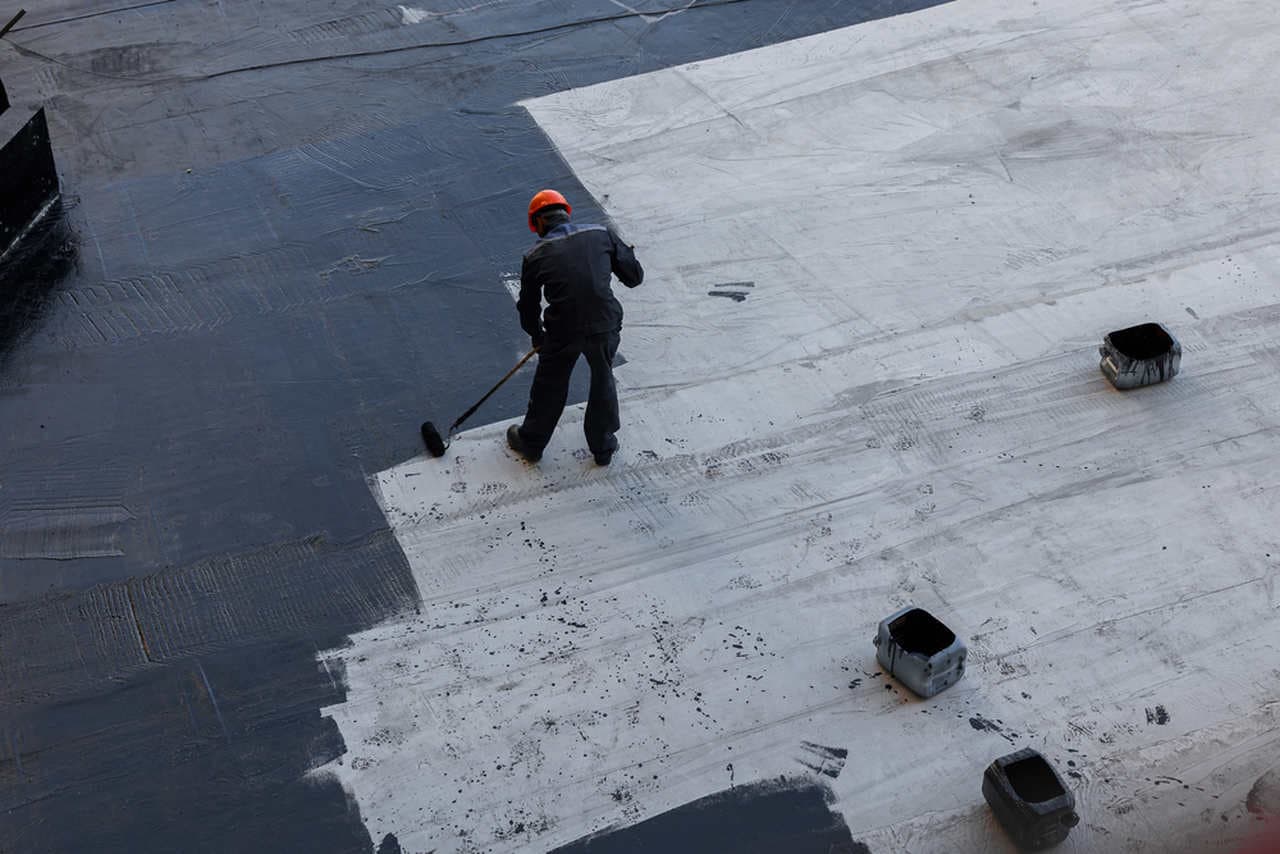
- Cementitious coatings - a reliable, cost-effective choice for water tanks, wet areas and concrete surfaces.
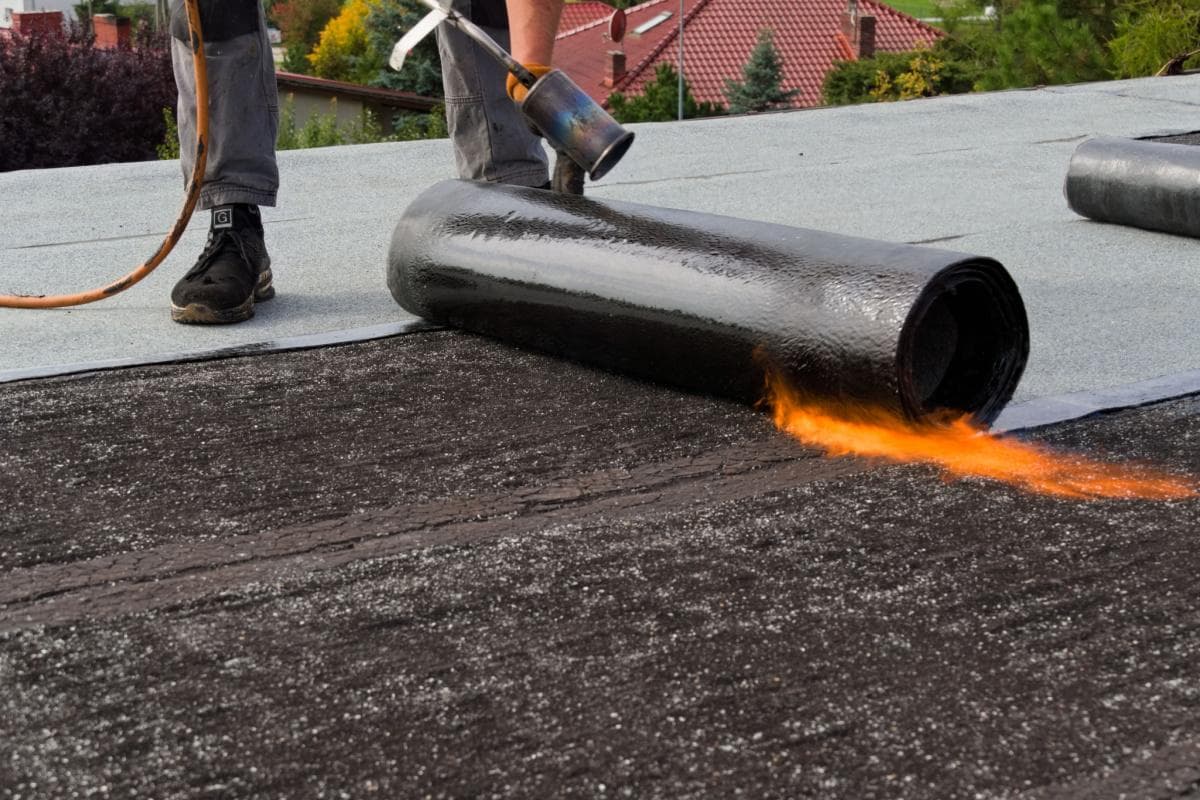
- Polyurethane (PU) membranes - flexible and UV-tolerant, well suited to exposed flat roofs.
- Liquid-applied membranes - seamless coverage that handles awkward corners and expansion joints.
The right pick depends on movement, sunlight and foot traffic. A roof that bakes in the sun needs a different system from a hidden water tank. This is where a specialist saves you from a mismatched product.
Each surface calls for a different approach, so match the system to the job. You can also browse our range of waterproofing products to see what we supply.
A Pre-Monsoon Waterproofing Checklist for Homeowners
You do not need to be an engineer to spot trouble early. Walk your home with this annual inspection list before the rains set in:
- Inspect the flat roof for cracks, ponding and worn screed.
- Check every parapet wall and its junction with the roof.
- Look under bathroom floors for damp on the ceiling below.
- Test floor and balcony drainage - water should flow, not pool.
- Scan external walls for cracks, stains and gaps around windows.
- Re-seal any visible expansion joints showing wear.
- Note any past leak that returned - it was never fully fixed.
Photograph anything suspect. A clear photo helps a specialist quote accurately without a second visit. If two or more items concern you, book an inspection rather than guessing.
Common Waterproofing Mistakes Before the Monsoon
Homeowners often mean well but act too late or too cheaply. A few mistakes show up every season.
The first is painting over the problem. A fresh coat hides a damp patch for a fortnight, then it returns worse. Paint is not waterproofing.
The second is patching only the visible crack. Water travels, so the entry point is rarely where the stain appears. Proper diagnosis matters here.
The third is leaving it until the rain starts. Most systems need dry surfaces and curing time to bond. Once the southwest monsoon is in full swing, your options shrink and prices rise.
Homes across Rajagiriya, Battaramulla, Nugegoda and Nawala share the same challenge - flat-roofed designs that trap water. The southwest monsoon usually builds through May and lingers for months. You can track official onset and warnings through the Department of Meteorology, Sri Lanka. For guidance on damp and structural moisture, the National Building Research Organisation (NBRO) is a trusted local authority. If you would rather talk it through, call our team on +94 77 785 5751 before you commit to any work.
Two Quick Answers Before You Book
When is the best time for waterproofing before the monsoon? Aim for the dry weeks before the southwest monsoon builds, typically March and April. Surfaces must be dry for coatings to bond and cure. Booking early also avoids the seasonal rush, when specialists are stretched and emergency call-outs cost far more.
Can I waterproof my roof myself? Small touch-ups are possible, but most leaks need diagnosis first. The visible stain is rarely the entry point, so DIY patches often fail. A professional waterproofing service identifies the true source and matches the right system, which protects the repair for years rather than weeks.
How long does waterproofing last in Sri Lanka's climate? A well-applied system typically lasts five to ten years, depending on exposure and traffic. Flat roofs in direct sun age faster than sheltered surfaces. An annual inspection catches small failures early, so you top up rather than redo the whole area.
Frequently Asked Questions About Waterproofing Before the Monsoon in Sri Lanka
How much does waterproofing cost before the monsoon in Sri Lanka?
Cost depends on the area, the system and the surface condition. A small bathroom differs greatly from an exposed roof. The honest answer comes after an inspection. Booking before the season is cheaper than emergency work, so request a quote early for an accurate, itemised estimate.
What is the most common cause of monsoon leaks?
Flat roofs and parapet-wall junctions cause most monsoon leaks in Sri Lankan homes. Poor drainage lets water pool, and hairline cracks in the screed let it through. Bathrooms without a proper membrane are the second culprit. Both are predictable and preventable with a pre-monsoon inspection.
Is exterior paint enough to stop water seepage?
No. Quality exterior paint resists weather and improves appearance, but it is not a waterproofing membrane. Water under pressure finds cracks that paint cannot bridge. You need a dedicated system on roofs, wet areas and vulnerable joints, with paint as a finishing layer over a properly sealed surface.
Do you provide waterproofing across Colombo and the suburbs?
Yes. We supply and install across Colombo and the Western Province, including Rajagiriya, Battaramulla, Nugegoda, Kotte and Dehiwala. Our team handles inspection, system selection and installation end to end. Call +94 77 785 5751 or request a service quote, and we typically respond within 24 hours.
How soon before the rains should I book?
Book at least a few weeks ahead. Surfaces need to be dry, and most systems require curing time to bond fully. Early booking also secures a slot before the seasonal rush. Leaving it until the first downpour limits both your options and the quality of the result.
Get Ahead of the Rain
A dry home through the season starts with waterproofing before the monsoon, not after the first leak. Inspect early, fix the real source, and choose a system matched to each surface. That simple discipline protects your ceilings, your interiors and your budget.
Ready to act? Explore our waterproofing service or request a service quote - our team responds within 24 hours. Prefer to talk first? Call +94 77 785 5751 and we will guide you through the right next step.