Most paint decisions in Sri Lanka are made the wrong way round. A colour is chosen first, a contractor is asked to "just paint it," and six months later the south-facing wall is streaked with algae, the top-floor bedroom is still unbearably hot in the afternoon, or the hospital corridor that was repainted last year already looks tired under daily disinfectant wiping.
The truth is that no single paint works everywhere. A tin that performs beautifully on an air-conditioned living room wall will fail within two years on an exterior facade exposed to Colombo's UV load and monsoon humidity. A paint built to survive a food processing floor is total overkill - and the wrong texture - for a hotel lobby feature wall. Choosing well starts with asking what a specific surface actually has to survive, not which colour looks best on a swatch.
This guide walks through the most common situations we see across homes, hotels, hospitals and commercial buildings in Sri Lanka, and points to the specific product built for each one. If you'd rather skip ahead, our full range sits under Paints & Textures, and our Painting Service covers supply and application for every product mentioned below.
Street-facing facades, boundary walls and any exterior surface that takes the brunt of Colombo's weather need more than a standard acrylic emulsion. Ordinary exterior paint chalks, fades and picks up algae within two to three years in this climate - and by the time it looks obviously dirty, the film has usually already started breaking down underneath.
For this situation we specify silicon exterior paint, which uses nano-silicon resin technology to form a cross-linked, dirt-resistant film rather than a surface that simply absorbs UV and grime. It carries a 10-year durability warranty, which matters more than it sounds - the real cost of exterior paint isn't the tin, it's the scaffolding and labour every time you have to repaint. A system that lasts three times longer changes the maths considerably, especially on multi-storey buildings where access alone is expensive.
If you've ever walked into a top-floor bedroom in the late afternoon and felt like you'd stepped into an oven, the wall or roof slab above it has been absorbing solar heat all day and radiating it back into the room long after sunset. Standard waterproofing membranes solve leaks but do nothing about this heat problem - they simply sit on the surface and block water, without addressing the temperature transfer at all.
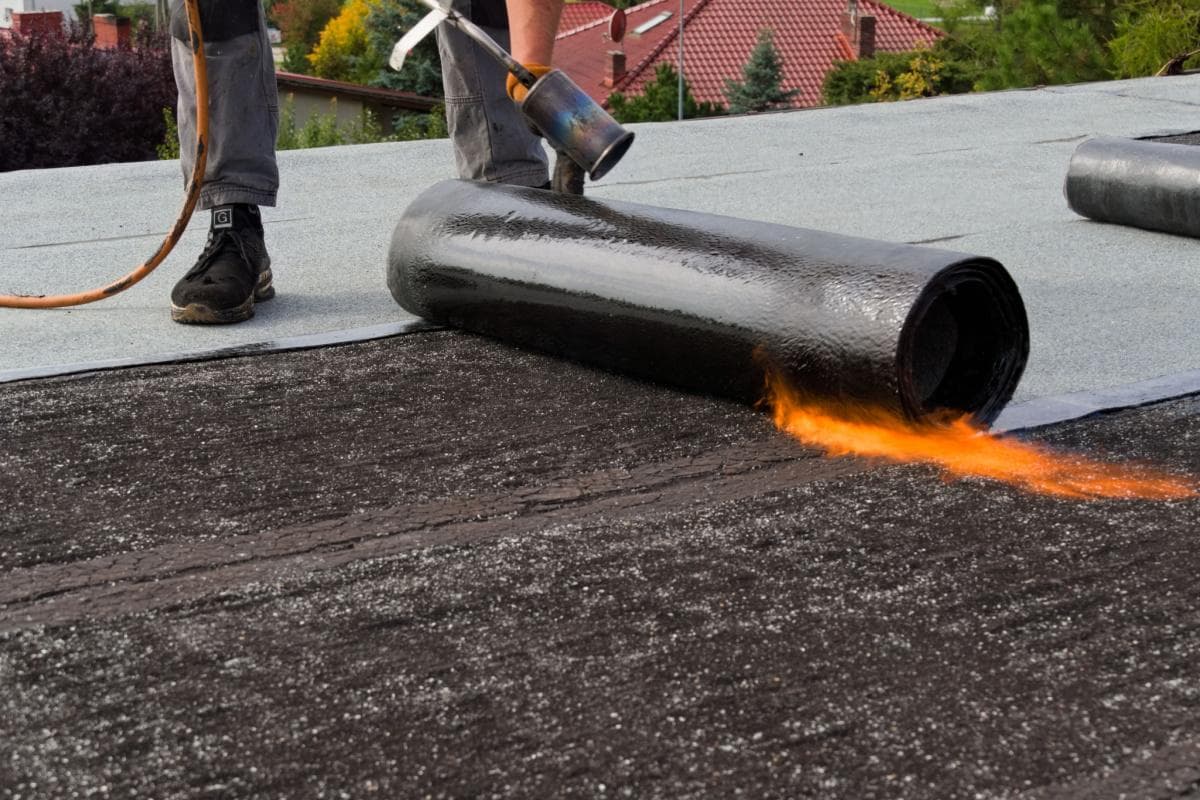
A heat reflective waterproof paint system solves both problems at once. It's elastomeric, so it bridges the hairline cracks that let water in during heavy rain, and its silicon resin base reflects infrared radiation instead of absorbing it - the same cool-roof principle that keeps modern rooftops from overheating, and what actually brings the indoor temperature down. If you're planning any pre-monsoon maintenance, it's worth reading our guide on waterproofing before the monsoon alongside this, since roof and terrace prep is exactly where heat and water problems overlap.
Where the underlying render is already cracked or uneven, that base layer needs attention before any topcoat goes on - which is where a fibre-reinforced substrate repair comes in beneath the final finish, restoring the substrate rather than just papering over the damage.
Inside the home, the priority shifts from weather resistance to air quality and washability. A lot of people are surprised at how long "new paint smell" actually lingers - volatile organic compounds off-gas from standard emulsion for days or weeks, which matters a great deal in an air-conditioned bedroom, nursery or home office that can't stay closed and ventilating for a week.
A low VOC interior paint solves this without compromising on durability. It's virtually odourless, so rooms are usable again far sooner, and its anti-algae, anti-fungus formulation is genuinely useful in Sri Lanka's humid interior conditions - particularly bathrooms and ground-floor rooms where mould is a recurring headache rather than an occasional one.
Hygiene-sensitive environments are where paint choice stops being cosmetic and starts being a compliance issue. Hospital wards, clinics, commercial kitchens and food processing plants are audited on surface hygiene, not appearance, and standard washable emulsion simply isn't built to survive daily hospital-grade disinfectant without its film breaking down.
For general hospital, clinic and food-facility use, we specify an antibacterial paint for hospitals - a stain-resistant, low-TVOC coating built specifically to resist bacteria and viruses on contact while standing up to repeated harsh cleaning. Where a facility also needs documented resistance against a wider range of organisms, including strains linked to conditions like Hand, Foot and Mouth Disease, an anti-viral internal paint is the stronger specification. The two aren't interchangeable - one is the general-purpose hygiene coating, the other is the broader-spectrum option for facilities managing stricter infection control.
Some walls just get hit harder than others - stairwells, public corridors, commercial exteriors near busy roads, or any surface exposed to industrial fumes or heavy foot and vehicle traffic. Standard topcoats are more forgiving to apply but noticeably weaker on chemical and abrasion resistance.
This is where a two-pack PU enamel earns its higher price. Because it cures through a chemical reaction rather than simple evaporation, the resulting polyurethane film is genuinely tougher - resistant to acids, alkalis and everyday chemical exposure, and far less prone to scuffing. It's also commonly used as the protective topcoat over decorative texture systems, which we'll come back to below.
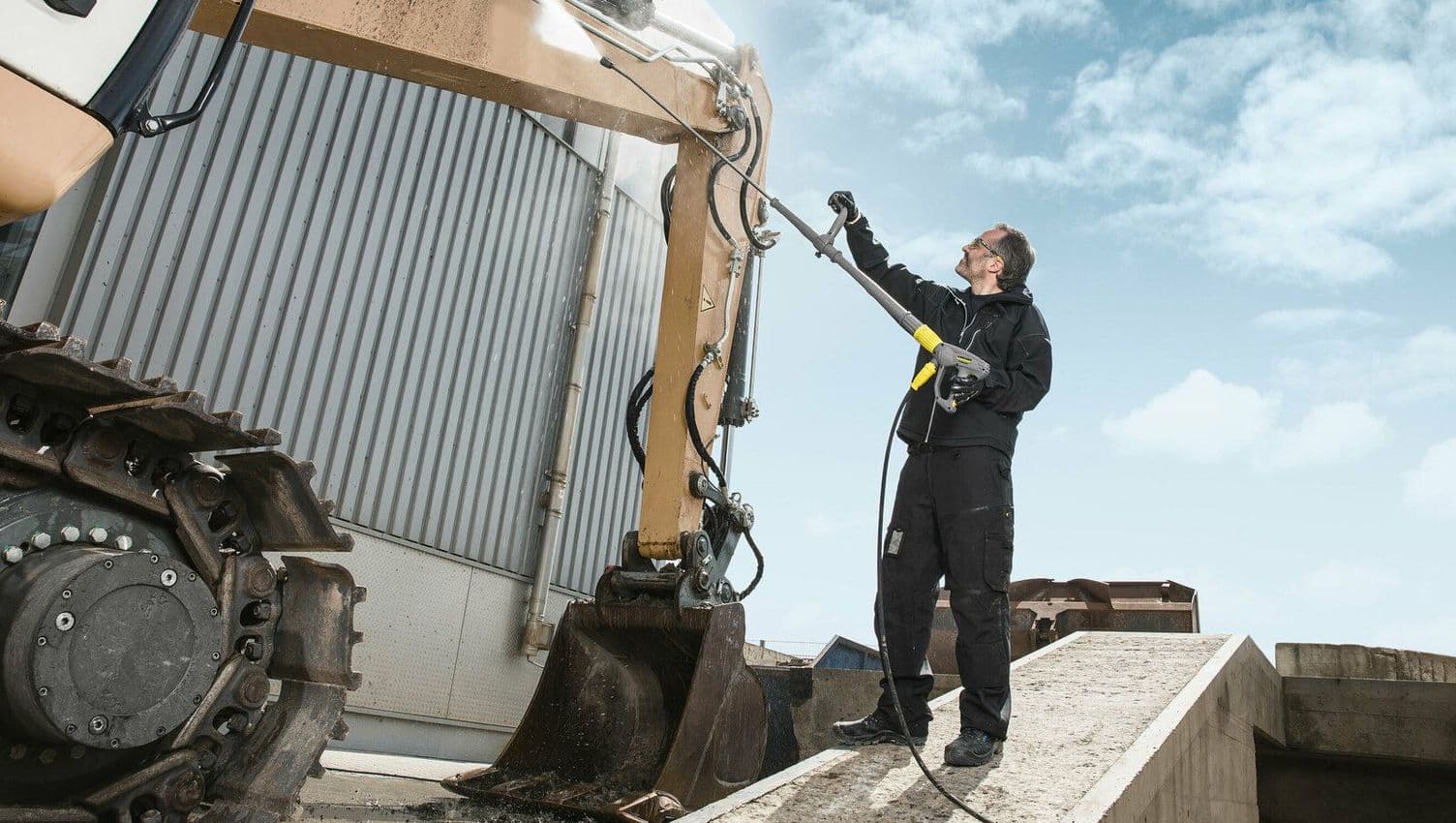
Floors fail differently to walls - the damage comes from wheels, forklifts, chemical spills and constant abrasion rather than sun and rain. Painted concrete looks fine on day one and wears through within a year under real industrial use.
A durable floor coating system is a different category of product altogether: a two-component epoxy system, seamless and rated for medium vehicular movement, available in smooth or anti-slip finishes, and dust-proof enough to meet hygiene standards in laboratories, cold rooms and food processing floors. If you're renovating a full commercial space, our guide to large format tiles for luxury villas is worth a look too - flooring choice is one area where getting the material wrong is far more expensive to fix than getting it right the first time.
Not every wall is about protection - some are about making an impression. Hotel lobbies, reception areas and residential feature walls increasingly call for texture and depth rather than flat colour.
A stone texture wall finish gives the look of real granite cladding - using genuine sand, mica and sea shell aggregate - at a fraction of the weight, cost and installation risk. For an even more distinctive result, a multicoloured texture finish uses a technique-driven, multi-coat application to produce a depth that simple decorative techniques like sponging or rag-rolling can't replicate. Both systems are typically finished with the same PU enamel topcoat discussed above, for weather resistance and gloss retention.
The pattern across all of this is the same: identify what the surface actually has to survive - sun, water, heat, hygiene audits, foot traffic, or simply looking impressive - before choosing a product. Get that sequence backwards and you end up repainting sooner than you should, or paying for performance you never needed.
If you're not sure which category your project falls into, that's exactly what a proper site assessment is for. You can request a product quote with your project details, or talk to a specialist directly and we'll help match the right system to the surface - before any tin gets opened.