Paints & Textures · Sri Lanka
Warehouses, factories and car parks need floors that survive constant vehicle movement, chemical spills and daily cleaning without breaking down. Arkifloor EHS is a two-component, solvent-free epoxy floor coating system, 350 microns thick, that C&S Projects supplies and installs for medium-duty industrial and commercial floors in Colombo and across the Western Province — in smooth or anti-slip finish.
The system
The system comprises a 2mm floor filler, one coat of Arkifloor primer, and two coats of Arkifloor EHS, giving a seamless, highly glossy surface with excellent resistance to chemical and oil spills. Its abrasion resistance is rated for medium vehicular movement, and the finished floor is dust-proof and easy to maintain — a specific requirement for food processing factories, laboratories and cold rooms where hygiene inspections are routine.
Because the system is solvent-free, application generates far less odour and off-gassing than older solvent-based epoxy systems. That matters for active facilities in Colombo that cannot fully shut down during flooring work.
The seamless part is what hygiene inspectors actually look for. Epoxy cures into a jointless film, so there are no grout lines or tile edges for water, grease and debris to collect in. As a result a floor can genuinely be washed down rather than merely mopped around.
Dust is the other quiet problem an epoxy solves. An uncoated concrete slab sheds fine dust continuously under traffic, which contaminates products and clogs equipment. Therefore laboratories and food plants specify a sealed floor as much for dust control as for chemical resistance.
Thickness is what separates a coating from a paint. At 350 microns across four applied layers, the system has enough body to take point loads from pallet corners and trolley wheels. A thin floor paint, by contrast, simply wears through to the concrete along the routes traffic actually uses.
Cleaning economics follow from that. A sealed, jointless floor is washed rather than scrubbed, so labour hours fall and cleaning chemicals go further. Over a few years those savings often outweigh the difference in installed cost between epoxy and floor paint.
Colour also does practical work here. Light floors lift the brightness of a warehouse considerably, which reduces reliance on artificial lighting during the day and makes spills and debris visible before they become a hazard.
Where it's installed
The specification suits any floor that takes wheels, spills or wash-down. Safety colour-coding is common too, marking walkways, forklift routes and hazard zones directly into the floor finish rather than relying on tape that lifts.
Car parks add their own requirement. Ramps and turning circles take the most punishment from tyre scuffing, so those zones are usually specified in the anti-slip grade even when the flat decks are finished smooth.
Slip performance is chosen deliberately. A smooth gloss cleans fastest, however a wet process area needs a higher coefficient of friction, so we specify the anti-slip grade there.
Explore the range
Alongside epoxy systems we supply durable floor coating systems and the wider paints & textures range — enamels, exterior systems, hygiene coatings and decorative textures, with application by our own teams. Comparing costs? See epoxy flooring price in Sri Lanka.
How we work
C&S Projects surveys the existing floor slab first to confirm it is structurally sound for a seamless epoxy system, then applies the floor filler, primer and two topcoats in sequence, with cure times managed around the facility's operating schedule wherever possible.
Slab moisture is the detail that decides success. Epoxy applied over a slab still holding construction or rising moisture will blister and debond, so we test before committing. Therefore a survey sometimes ends with us recommending a delay or a damp-proof approach rather than proceeding.
We offer smooth and non-slip finishes in a wide colour range, so floors can be colour-coded for safety zones or walkways to match your operational standards. Where a slab needs levelling or repair first, our surface preparation range covers those products, and our surface preparation service covers the grinding and repair work.
Mechanical preparation is not optional. The slab is ground back to open the surface so the primer can key into it, because epoxy applied over a sealed or contaminated concrete face will peel in sheets under traffic. That preparation is usually the longest stage of the whole installation.
Joints and drainage falls are detailed separately. Movement joints have to be carried through the coating rather than bridged, and wash-down areas need falls that actually reach the gullies. As a result these details are agreed at survey, not improvised on the day.
How it compares
Painted concrete floors are cheaper initially, however they wear through quickly under vehicle and foot traffic and offer minimal chemical resistance. On a low-traffic store room that may still be the sensible choice.
The 350-micron, two-component system is built for medium-duty industrial use, holding up to daily chemical exposure and vehicle movement far longer than a standard floor paint. That is why it is specified for factories, warehouses and car parks. For walls in the same facility, see our page.
Local coverage
We install epoxy floors across Colombo and the wider Western Province — warehouses and workshops around Rajagiriya, Battaramulla and Kotte, car parks in Colombo 02 and 05, and industrial units toward Nugegoda and the Gampaha corridor. Because our stores sit on Buthgamuwa Road in Rajagiriya, sites across Sri Jayawardenepura Kotte are quick to reach for surveys and snagging.
Facility type drives the programme. A car park can usually be closed deck by deck, whereas a food plant may only release a bay during a scheduled shutdown. For example, cold rooms need the ambient temperature managed during cure, which rules out simply working around live operations.
Having delivered coating and flooring work across the Western Province since 2022, we plan those constraints into the quotation. As a result clients get a sequence they can actually run their operation around, with agreed access routes and clear handover points for each bay. See our completed projects for context.
Quick answers
Usually yes. We phase the floor bay by bay or deck by deck so operations continue in the uncoated areas. Cold rooms and process areas are the exception, because cure needs controlled conditions rather than live running.
Epoxy over a damp slab blisters and debonds, so we test before quoting. Where moisture is present we either wait for the slab to dry or specify a damp-tolerant approach, rather than coating and hoping it holds.
Smooth cleans fastest and suits dry warehouses and car parks. Wet process areas, ramps and wash-down zones need the anti-slip grade, because safety underfoot outweighs the small gain in cleaning speed.
“They tested the slab, told us it needed drying time, and rescheduled instead of coating over it. The floor has taken forklift traffic for two years without lifting.”
Our work
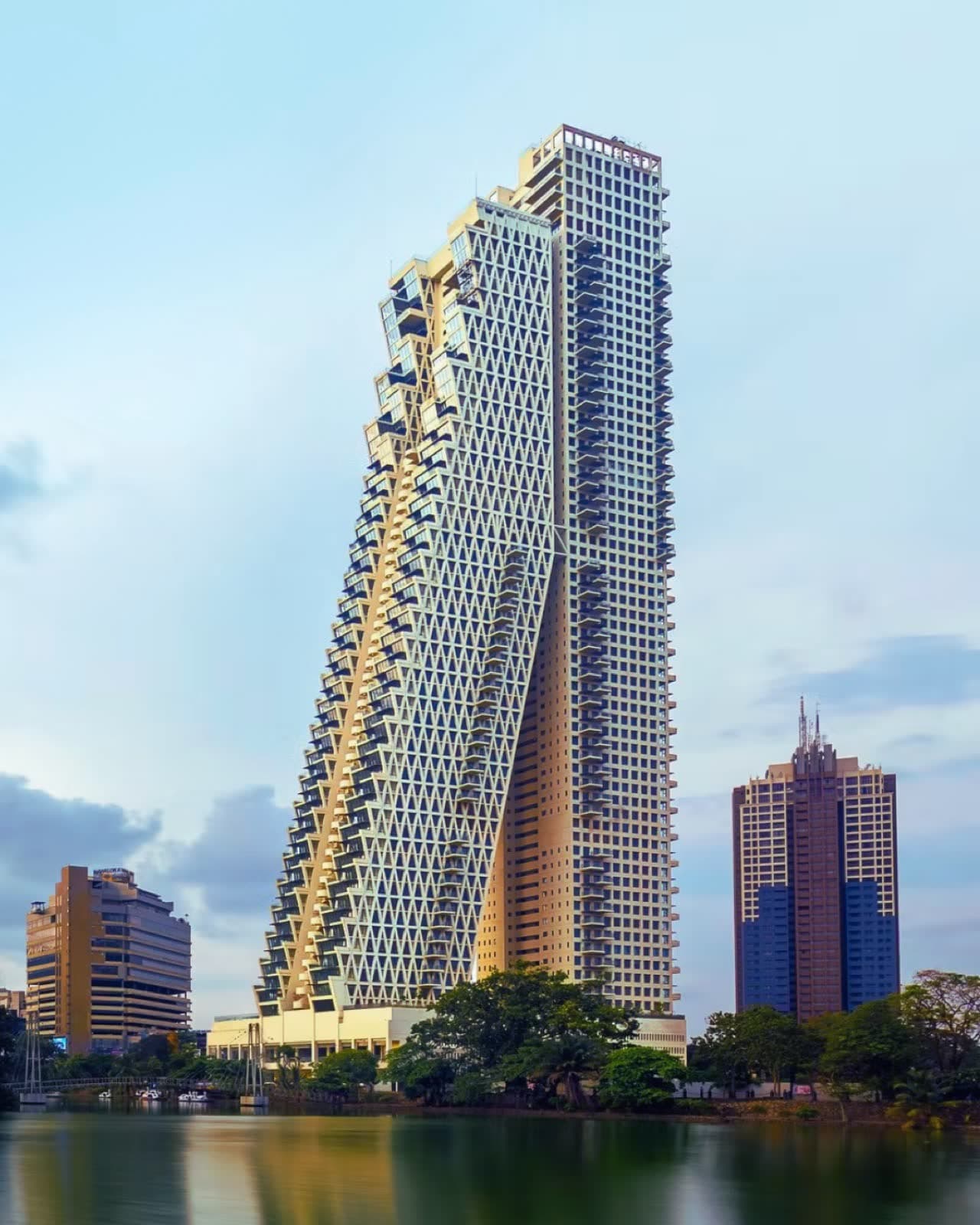
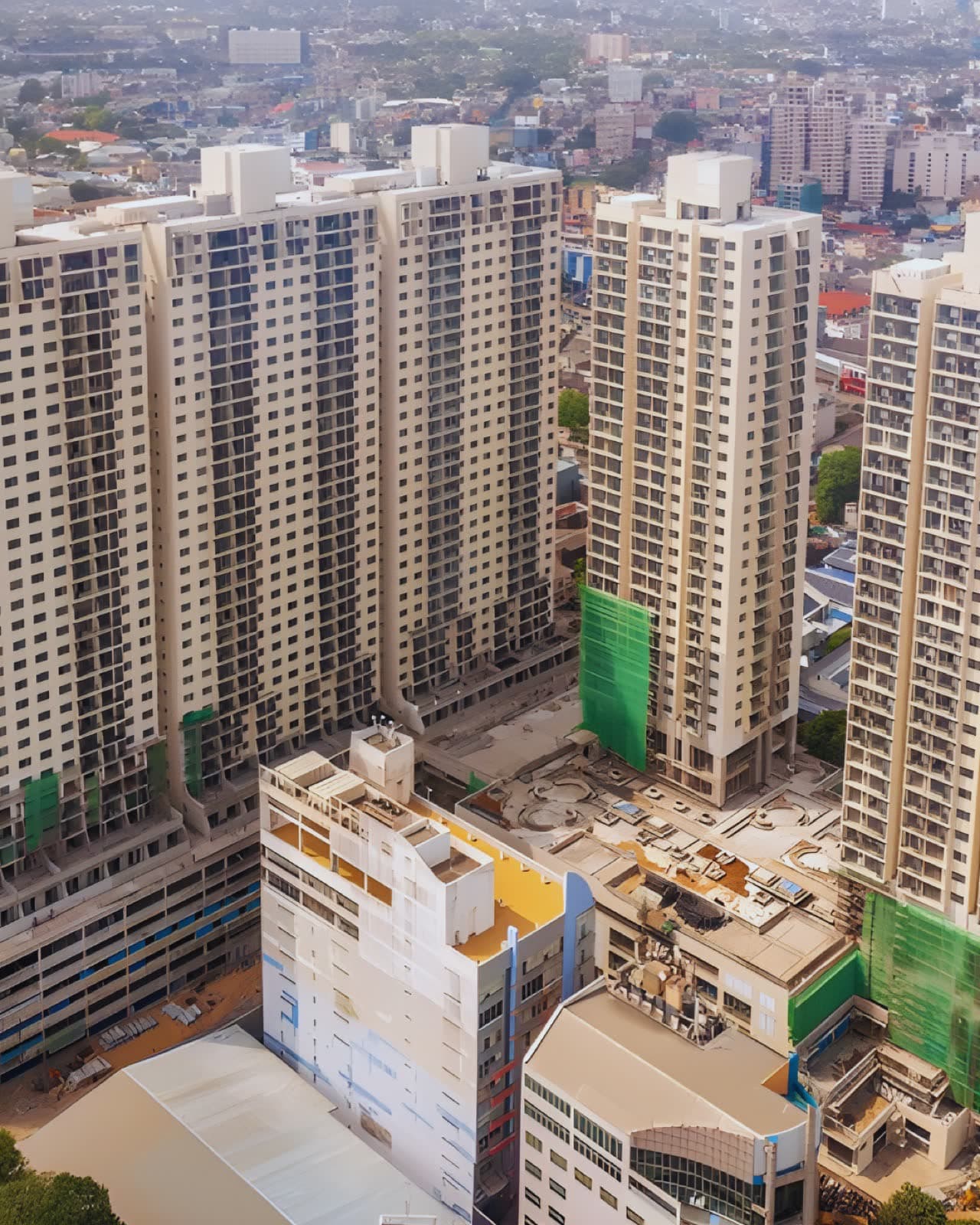
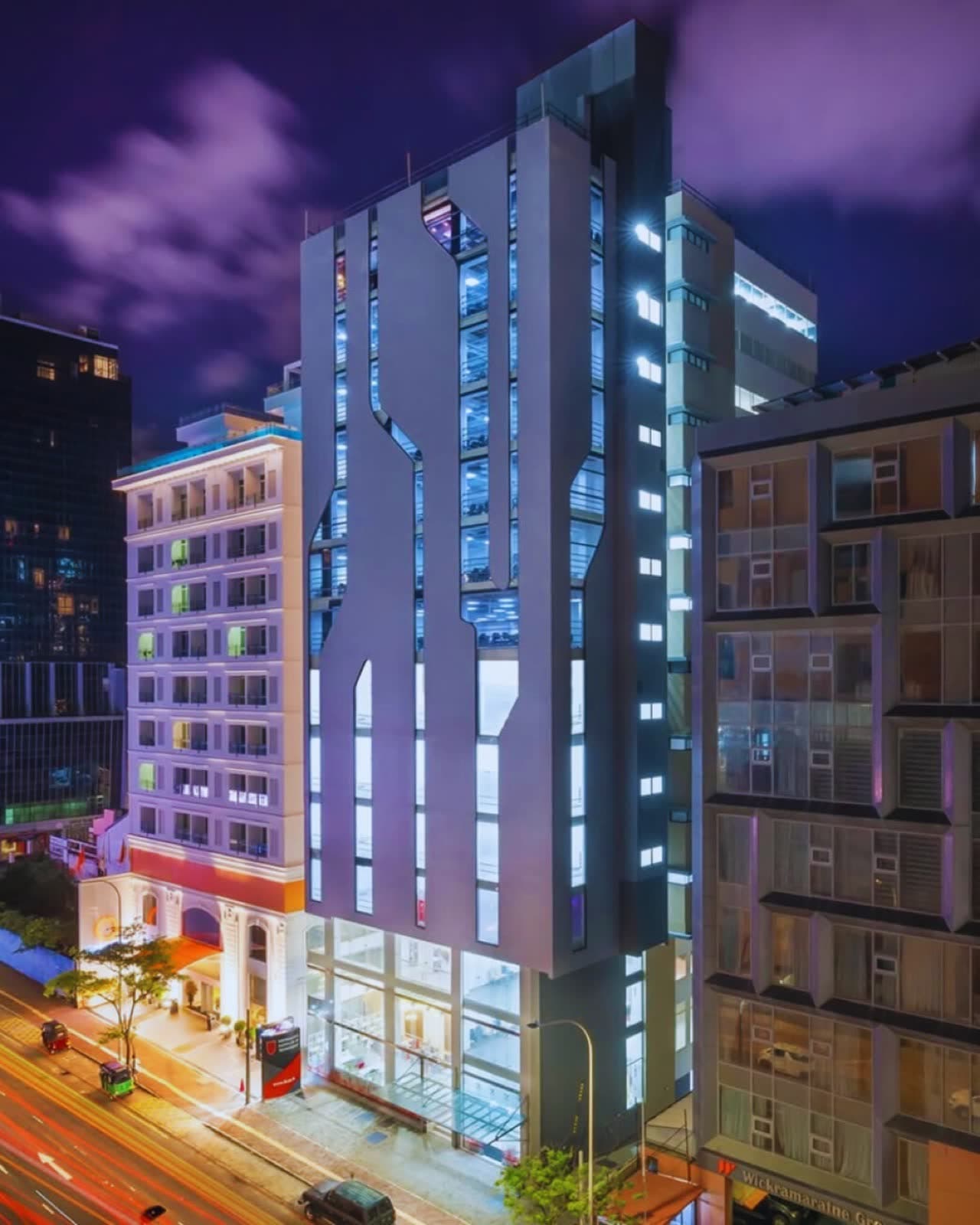
Premium coatings, flooring and finishes delivered for landmark residential, commercial and industrial developments across Colombo and Sri Lanka.
Accredited & affiliated
Our standards aren't self-declared. They're independently certified and industry-recognised - assurance for architects, developers and homeowners alike.
Independently verified
Learn more about the ISO 9001:2015 quality standard.
Good to know
Visit our showroom at 53/3 Buthgamuwa Road, Rajagiriya, or call to arrange a floor survey. Mon–Sat · 10:30 am – 5:30 pm · Sun closed.
Book a floor survey and get a phased installation quote with areas, finish and cure times.
Excellent resistance to a wide range of chemical and oil spills across industrial floors.
Abrasion resistance rated for medium vehicle movement in car parks and warehouses.
A jointless, easily maintained surface — a specific requirement in labs and food facilities.
Finished to suit the safety requirement, with colour-coding for zones and walkways.
20L
LKR 130,000
Residential · Colombo 03
Quality Management System

Chamber of Construction Industry