Painting, cladding repairs, sealant replacement, waterproofing and cleaning on a multi-storey building all start with the same question: how do the workers reach the façade safely?
The two main answers are scaffolding and a suspended gondola. Each suits different buildings and different jobs. This guide sets out how to choose between them. For platform sizes and how hire works, see our page on gondola rental in Sri Lanka.
What a gondola is
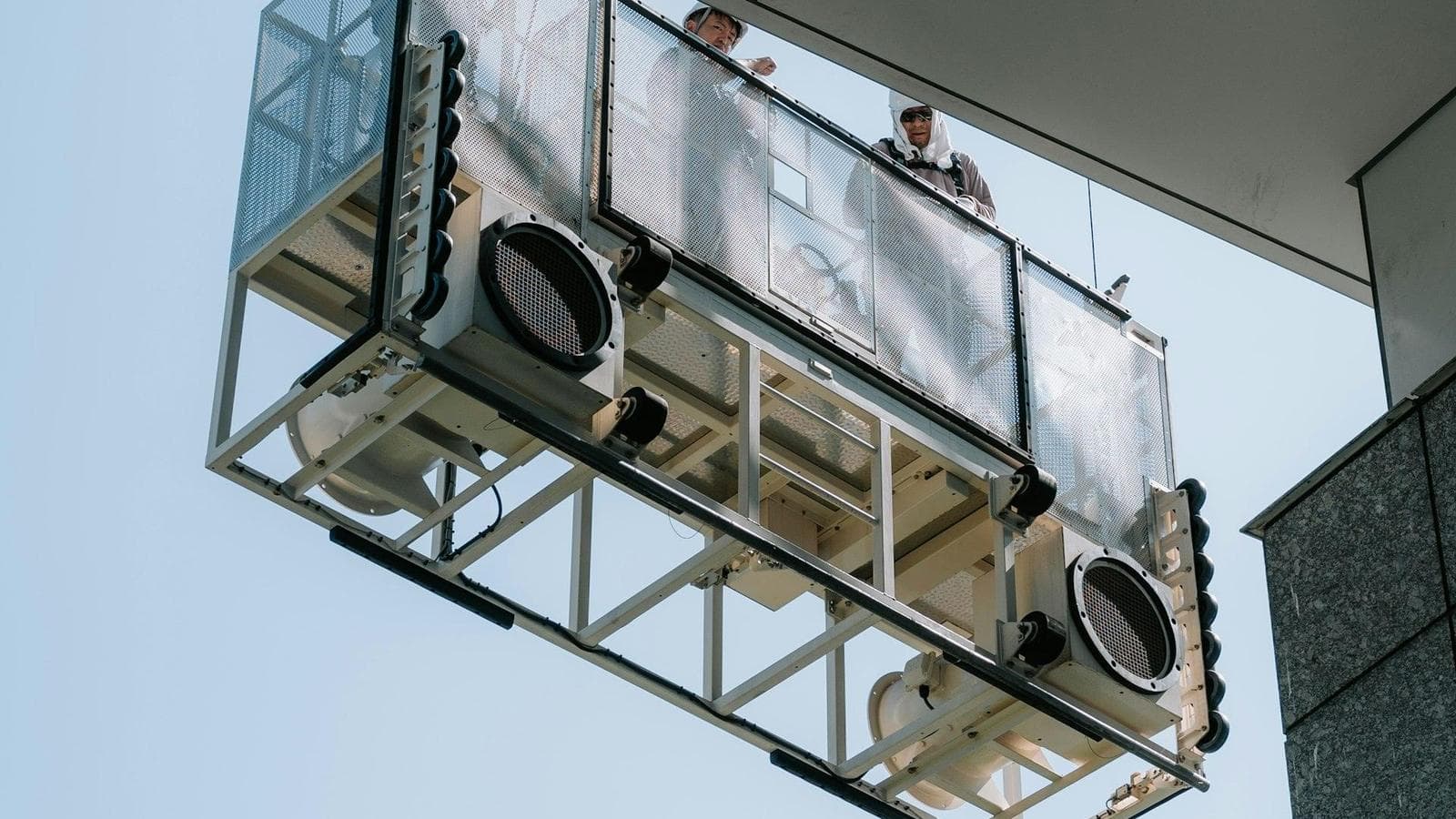
A gondola, also called a suspended access platform or cradle, is a working platform hung from the roof on wire ropes. It is raised and lowered along the façade, then moved sideways to the next section. Because it is installed at roof level, it leaves the ground and lower floors clear. It is one of the access systems C&S Projects supplies for façade work.
When a gondola is the better choice
- Tall buildings. The higher the building, the more scaffolding costs and the longer it takes to erect. A gondola reaches the full height from the roof.
- Repetitive vertical work. Painting, sealant replacement, cleaning and inspection move naturally in vertical drops.
- Occupied buildings and busy sites. There is no scaffold blocking windows, entrances, driveways or footpaths.
- Short programmes. A gondola is installed and moved far faster than a full scaffold is erected and struck.